Building certificates needed for 0% VAT
If you provide construction services on a new building to be used for a relevant charitable or residential purpose, or sell a new building to the users, your supply will be zero-rated. But what documents must you get?
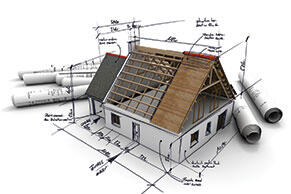
Zero-rated
If your business does work constructing a new building for a charity, or on a new building that will be used for a relevant residential purpose (RRP), such as a home for elderly people or student accommodation, your services will be zero-rated. However, that is not the end of the story.
Certificate
As a condition of zero-rating, you must obtain a signed certificate from the building owner, confirming they will use the new building for a charitable purpose or RRP. A charitable purpose means use by a charity for either a non-business activity or use as a village hall or similar.
A new building used for a business activity by a charity, such as a charity shop or café, will not benefit from zero-rated building services, they will be standard-rated. All work caried out on existing buildings is standard-rated.
Change
The legislation gives HMRC the right to dictate the format of the zero-rated certificates. HMRC has now updated VAT Notice 708 (see The next step ) to confirm that the certificates published in this notice have the force of law. In other words, you should use the template and wording in the notice and not create your own version.
What does it mean?
If you do not tick all the boxes for zero-rating, HMRC officers have the power to treat your supplies as standard-rated and issue an assessment. This would be a major problem because charities and RRP building owners cannot fully claim input tax.
Related Articles
-
Should you voluntarily payroll benefits in kind?
The window to sign up to voluntarily payroll non-mandatory benefits in kind for 2027/28 will open in November. Is it worth volunteering to pay HMRC earlier than required or should you wait until it becomes mandatory in 2028/29?
-
Why is HMRC checking PVA more often?
Your business imports goods and accounts for VAT by applying postponed VAT accounting (PVA) on its returns. HMRC is scrutinising returns and issuing large assessments in some cases. What can you do to reduce the risk of getting it wrong?
-
Do dividend waivers still work?
You need to take a dividend from your company but there’s just one problem. Your business partner, who is also a 50% shareholder, doesn’t want to take any more income from the company during this tax year. What’s the solution?